Roofing Company SEO: Storm Chaser vs. Local Roofer: How to Win the Google Ads Race After a Hailstorm
Home NewsRoofing Company SEO: Storm Chaser vs. Local Roofer: How to Win the Google Ads Race After a Hailstorm
Roofing Company SEO: Storm Chaser vs. Local Roofer: How to Win the Google Ads Race After a Hailstorm
Noble House Media5 min read
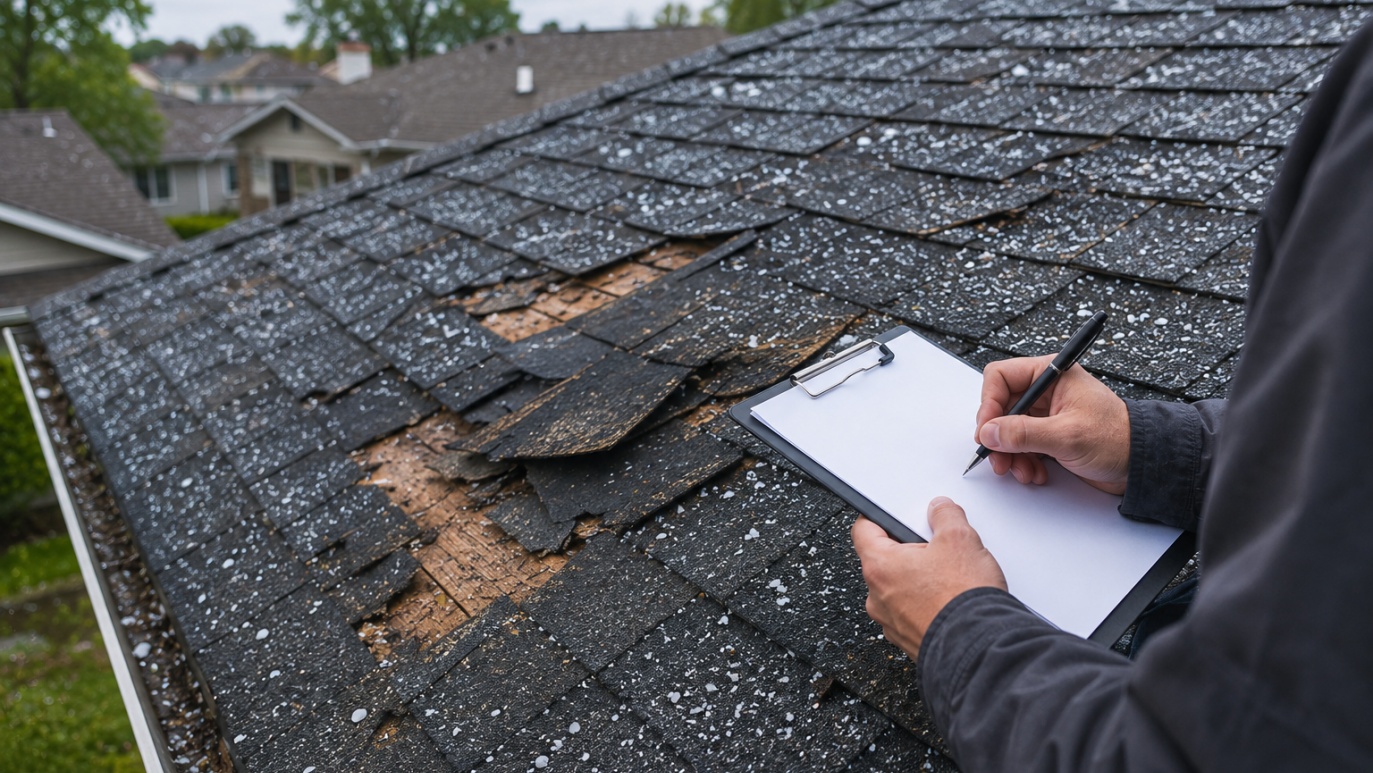
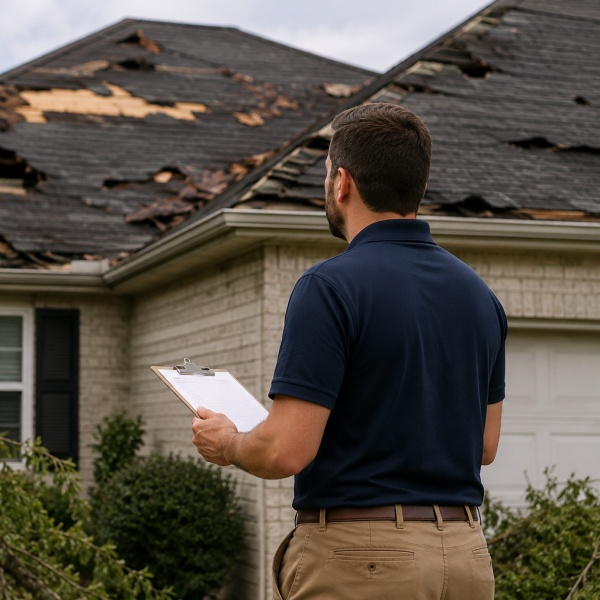
A hailstorm hits, and within hours a wave of out-of-state storm chasing crews start bidding aggressively on every roofing keyword in the area. Cost per click can spike several times over within a single day, and a local roofer watching that happen often assumes the only response is to match the spend dollar for dollar. That's usually the wrong instinct. Roofing company SEO built before the storm, paired with a smarter short-term ad shift during the surge, wins more often than an expensive bidding war ever will.
This is a decision framework for that 48 to 72 hour window right after a storm, not a full paid search course. It covers what to actually do with the budget while chasers are spending heavily and demand is at its peak.
Storm chasing runs on completely different economics than your regular ad account
A national storm chasing crew has no ongoing local presence to protect and no long-term customer relationships to build. Their entire model depends on spending hard for a few weeks in one area, closing as many jobs as possible, and moving to the next storm. That means they can absorb a much higher cost per click for a short burst than a local roofer running the same budget every month of the year.
Understanding that difference changes the decision. A local roofer isn't actually competing on the same terms, they're competing for the same clicks with a completely different cost structure and a completely different timeline behind the spend.
A chaser crew also has no reputation to protect in that market once the season ends, which changes what they're willing to promise in an ad or a sales pitch to close a job fast. That's a real factor for homeowners comparing options, but it doesn't show up anywhere in a cost-per-click comparison.
Why matching a storm chaser's bid dollar for dollar is usually the wrong move
When cost per click doubles or triples during a surge, simply raising your own bid to match burns through a monthly ad budget in days, often chasing clicks that don't convert any better than they did before the price spike. The click costs more, but the lead behind it isn't inherently more valuable just because more advertisers are competing for it.
A better move is shifting where the budget goes rather than just how much of it you spend on the same channel.
Shift budget toward local services ads during the surge window
Google's own guidance on Local Services Ads confirms it's a pay-per-lead model, not pay-per-click: you're charged for a valid lead, not for every click regardless of whether it turns into a real inquiry. During a surge, that structure matters more than usual, since a standard PPC campaign gets more expensive per click without necessarily getting cheaper per lead, while a Local Services Ads budget only pays out when a real contact actually happens.
Shifting a larger share of the ad budget toward Local Services Ads during the 48 to 72 hour surge window, rather than just raising the standard PPC bid, protects the budget from paying for clicks that never convert while chasers are flooding the auction. This kind of active reallocation is exactly what our paid media management team watches for, since a static monthly plan set before the storm isn't built to react within the first day of a surge.
Want help deciding how to shift your ad budget during the next surge?
Roofing company seo is what makes every ad dollar work harder
Roofing company SEO doesn't disappear during a storm surge, it becomes the reason paid spend has to work less hard in the first place. A roofer who already ranks organically for storm damage and roof repair terms is capturing a share of that surge for free, while paid budget only needs to cover the gap organic traffic doesn't reach.
This is the core of our roofing and siding marketing approach: build the organic foundation year-round so paid spend during a surge is a smaller top-up rather than the only thing standing between you and the leads a storm chaser is currently outbidding you for.
A 48 to 72 hour checklist for the ad account
Check current cost per click against your normal baseline the morning after a storm, since a clear jump is the signal to act rather than wait and see. Pause or reduce budget on the lowest-performing generic keywords first, the ones that were already borderline before the surge started, freeing budget for the terms actually driving storm-related calls.
Redirect that freed budget toward Local Services Ads and toward ad copy written specifically for emergency response, since a searcher dealing with active roof damage responds differently to urgent, specific messaging than to a generic roofing ad. Keep watching lead quality daily during the surge rather than only at the end of the week, since a bad batch of leads for two or three days can eat a disproportionate share of the budget before anyone notices.
Revert the account back to its normal structure once call volume returns to baseline, rather than leaving the surge-era budget split in place out of habit. A structure built for a temporary spike usually underperforms once the spike has passed and demand has normalized.
How to tell if you're overpaying for a lead during a surge
Compare the cost of each lead against your normal, non-surge baseline, not against what a chaser might be paying, since their number reflects a completely different business model. If a lead costs meaningfully more than your baseline but the job size and close rate haven't changed, that's the clearest signal the channel or keyword mix needs adjusting rather than the budget alone.
A short-term spike in cost per lead during the first day or two of a surge is normal and often worth riding out. A sustained high cost per lead a week into the surge usually means the campaign structure needs to change, not just the budget.
Frequently asked questions
How to market a roofing company with Google Ads
Combine standard PPC for planned, considered searches like roof replacement with Local Services Ads for urgent, high-intent searches like storm damage repair, and keep roofing company SEO building in the background so organic rankings reduce how much of that traffic paid budget has to cover.
Do Google Ads work for a roofing business
Yes, particularly for time-sensitive demand like storm damage, though cost per click can be volatile during regional surges, which is exactly when shifting budget toward Local Services Ads tends to perform more predictably than standard PPC alone.
How effective are Google Ads for a roofing business
Effectiveness varies heavily by keyword intent and timing. Ads targeting active storm damage or emergency repair convert at a meaningfully higher rate than broad, generic roofing terms, especially during and immediately after a regional storm event.
Should you run roofing Google Ads yourself or hire help
Running it yourself is realistic for a steady, low-volume account, but managing bid strategy and budget shifts across a fast-moving surge window is harder to do well without dedicated attention, which is usually where hiring a dedicated paid media team pays for itself.
Winning the post-storm ad race isn't about outspending a chaser with a bigger, temporary budget. It's about shifting that budget to the channel that actually protects it, while roofing company SEO quietly reduces how much of the surge you need to buy in the first place. See how this plays out for other home services clients in our full body of work.