Why Roofing Companies Lose Storm-Damage Leads to Competitors With Better SEO
Home NewsWhy Roofing Companies Lose Storm-Damage Leads to Competitors With Better SEO
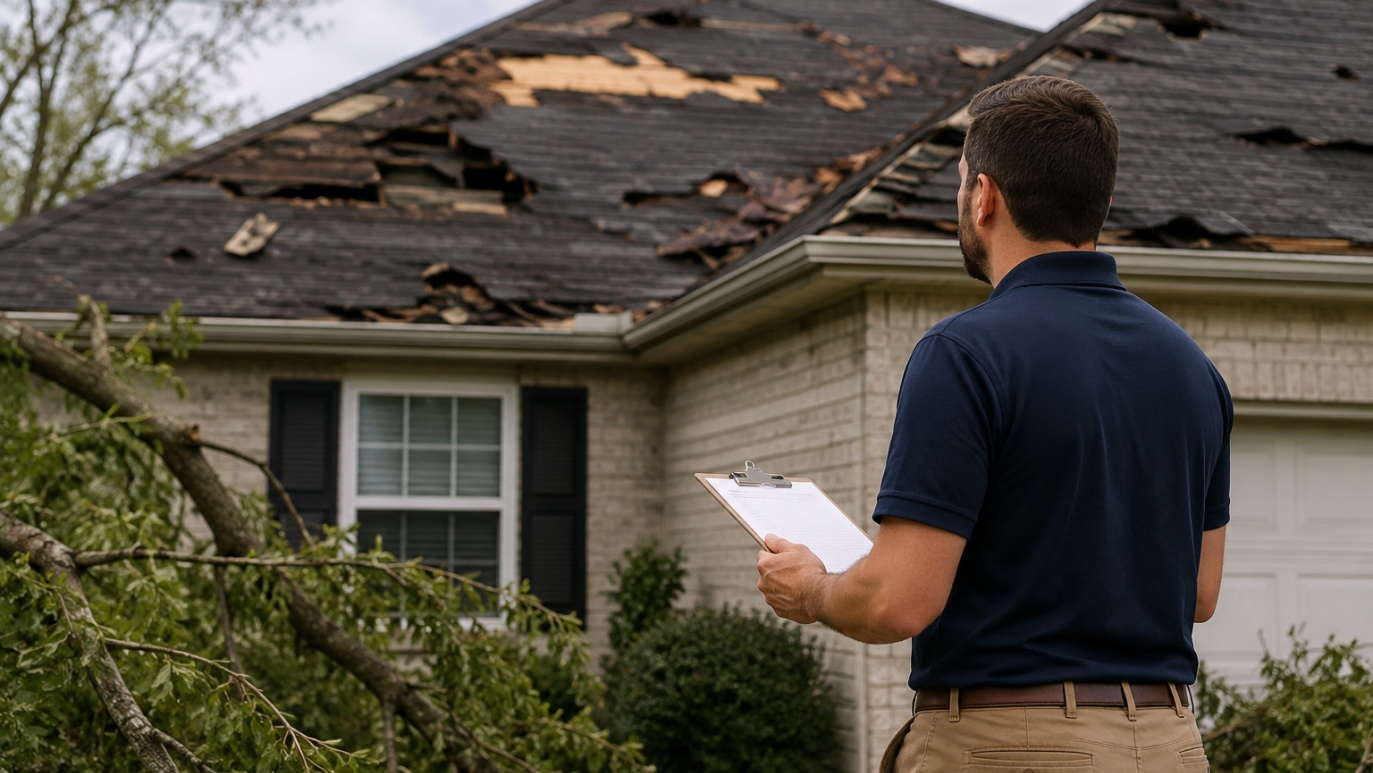
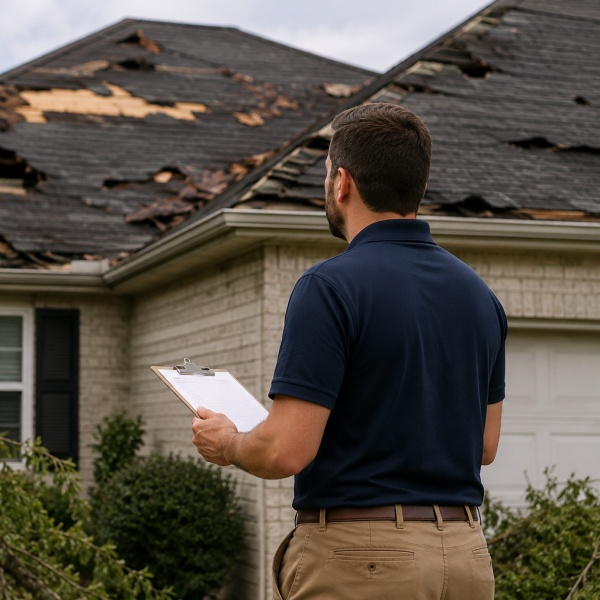
A hailstorm rolls through, and searches for roof repair and roof replacement in that area can jump five to nine times their normal volume within days. The roofing companies that show up in those searches aren't the ones scrambling to build a storm-damage page the morning after. They're the ones who did the work months earlier. Roofing SEO built ahead of the season is the difference between capturing that surge and watching it go to a competitor with a stronger head start.
This isn't a full SEO course. It's a specific answer to a specific problem: how to structure your site and your online presence so you're ready before the next storm hits, not scrambling once it already has.
Roofing seo has to be built before the storm, not during it
Google typically needs weeks to fully register a new page, and longer for it to rank meaningfully in a competitive market. A storm-damage landing page built the day after a hailstorm has almost no chance of ranking in time to catch that same storm's search surge. The page that ranks the following week is usually one that already existed, already had some authority behind it, and just needed the demand to arrive.
This is the core idea behind our roofing and siding marketing approach: treat the quiet months as the actual working season for SEO, so the site is already positioned when the next storm brings the demand.
Pre-position a dedicated storm damage roofing page before the season starts
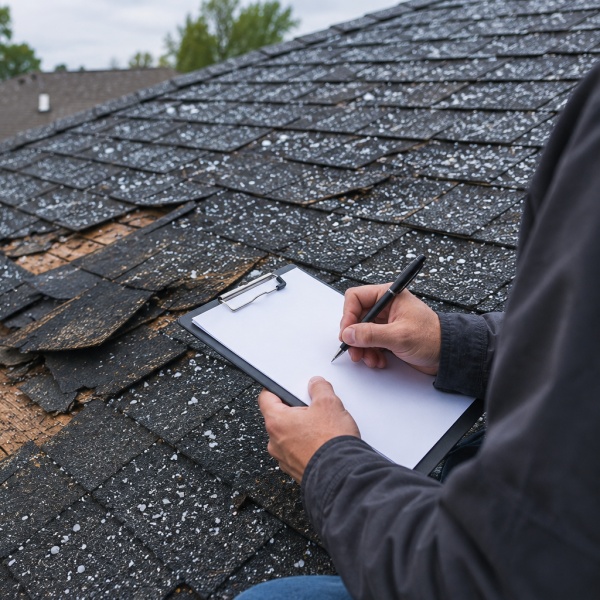
A generic "roofing services" page competes poorly against a dedicated page built specifically around storm damage roofing: what a homeowner should do first, how insurance claims typically work, and what an inspection actually involves. That page needs to exist and be indexed well before the season it's meant to serve, ideally built in late winter for a spring hail season or late summer for an early-fall wind season depending on your region.
Once that page exists, updating it lightly each season (fresh photos, a current year reference, an updated FAQ) keeps it relevant without needing to rebuild it from scratch every time.
Why storm chasers can outrank you in the first 48 hours, and what actually closes that gap
Storm chasing crews move fast and often lean heavily on paid ads the moment a storm hits, since they have no existing local presence to fall back on. What they usually lack is the local trust signals that build up over years: an established Google Business Profile with a long, consistent review history, local citations that match across every directory, and a physical presence homeowners recognize.
Roofing local seo is what turns that history into a ranking advantage. An established local roofer with 200 or more reviews and a Google Business Profile that's been active for years has a structural edge that a storm-chasing crew with a two-week-old listing can't fully buy its way around, even with a larger ad budget.
That edge shows up most clearly in the map pack, where Google weighs review count, review recency, and citation consistency heavily alongside relevance and distance. A crew that just rolled into town, no matter how aggressive its paid spend, is starting that specific competition from zero.
Not sure your site is positioned before the next storm hits?
Rank in the zip codes that actually got hit, not just your general service area
A single service-area page covering an entire county misses the geographic precision that storm damage searches actually need, since hail and wind damage rarely hit a whole region evenly. Building separate, genuinely useful pages for the specific towns or zip codes in your service area gives Google more specific signals to match against a homeowner searching from the one neighborhood that actually took the damage.
This only works if each page has real, distinct content, not the same paragraph with the town name swapped out. A thin, duplicated page across a dozen towns usually performs worse than a handful of genuinely useful ones, since search engines increasingly recognize and discount templated local pages that add nothing specific to the town they claim to serve.
Prioritize the towns and neighborhoods with the heaviest actual storm history first, since that's where the recurring search demand is concentrated year after year. A newer suburb that rarely sees severe hail doesn't need the same dedicated page treatment as an area that gets hit almost every season.
What to update on your google business profile in the first 24 to 48 hours
Adding a post about current storm response availability, updating your hours if you've extended them, and uploading recent job photos all signal to Google that your business is actively responding right now, not just existing in a directory. This is a fast lever, unlike a new page, and it's one of the few things worth doing reactively rather than only in advance.
Businesses that update their profile within the first day or two of a storm event tend to hold visibility better through the surge than ones that leave the profile untouched until the rush is already over.
Protecting your rating while job volume spikes
A surge in completed jobs also means a surge in potential reviews, both good and bad, and a slower response time during a busy season can mean frustrated customers leave a review before a manager ever reaches out to smooth things over. Staying ahead of review requests and responses during the surge protects the rating that took years to build, and losing it during your busiest season is the worst possible timing.
This is exactly where our reputation management work fits in, keeping review requests and responses consistent even when field crews are stretched thin handling the actual storm response work.
Treating storm-damage SEO as a one-time project instead of a seasonal system means starting from scratch every year, right when competitors who kept their pages current are already capturing the surge.
Frequently asked questions
How SEO helps roofing companies win more local leads
Roofing SEO improves visibility in local search results and Google Maps for high-intent searches like roof repair and storm damage roofing, putting your business in front of homeowners actively looking for help rather than relying only on paid ads or referrals.
Is SEO worth it for roofing companies
Yes, particularly for storm-damage demand, since organic rankings built in advance capture search surges that paid ads alone would cost significantly more to compete for during the exact weeks everyone else is also bidding hardest.
How long does local SEO take for roofing contractors
Meaningful ranking improvement typically takes one to three months for new pages, and longer for highly competitive terms, which is why storm-damage pages need to be built well ahead of the season rather than reactively.
Is local SEO the highest ROI channel for roofing contractors
It's frequently one of the strongest long-term channels because rankings, once established, keep generating leads without an ongoing per-click cost, unlike paid ads that stop producing leads the moment the budget runs out.
The roofing companies that win the storm-damage surge aren't reacting faster. They built the page, the reviews, and the local signals months before the storm arrived. Noble House Media builds roofing SEO around your actual storm season, not a generic year-round plan that treats every month the same. See how that approach has played out for other home services clients in our portfolio.