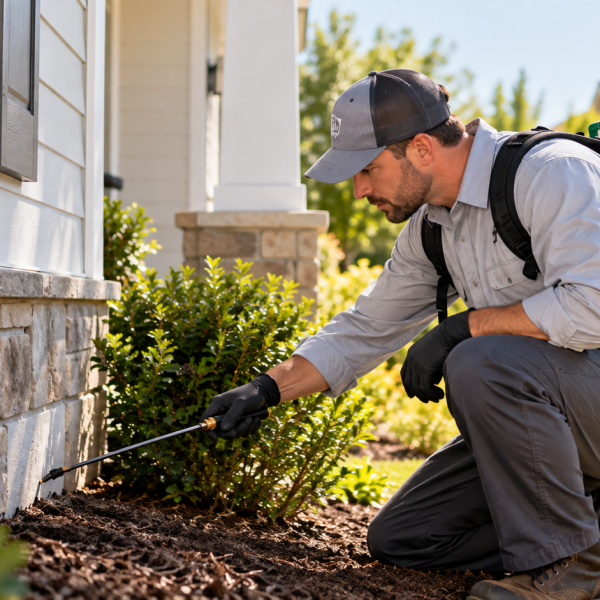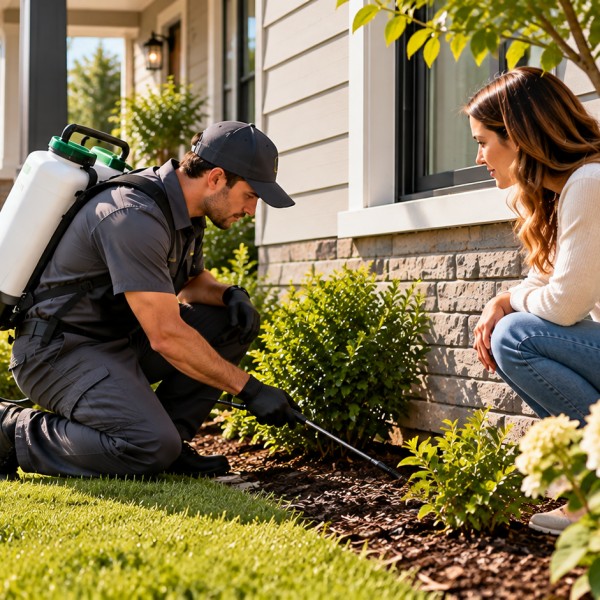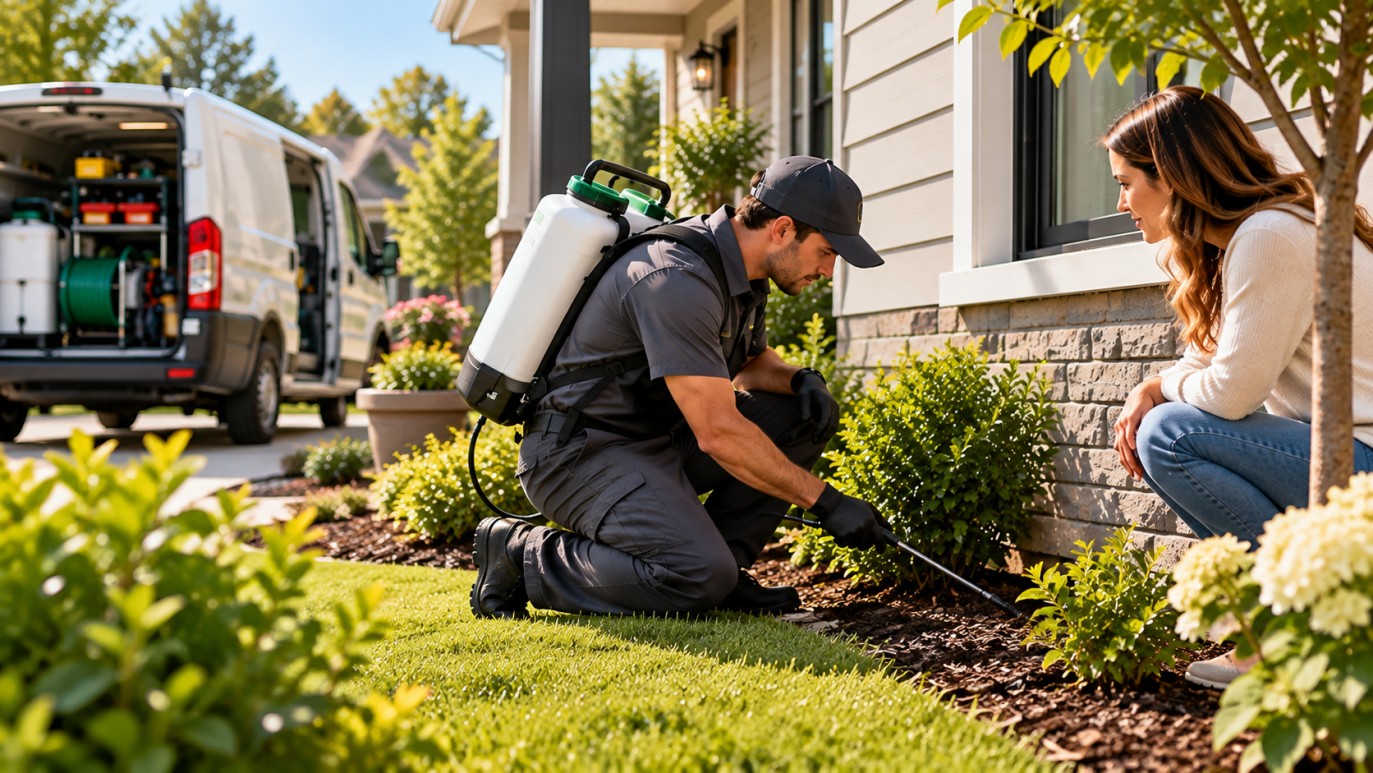
A pest control marketing agency earns its fee by filling your route with customers who stay, not by delivering a pile of one-time calls that disappear after the treatment. Pest control is one of the few home services where a single lead can turn into years of revenue, and your Google Ads should be built around that fact.
Most pest control owners judge their ads by cost per lead. The better measure is what a lead is worth once they sign up for quarterly service. When you shift your campaigns toward annual contracts, the whole account changes: which searches you bid on, what your ads say, and what you are willing to pay to win the click.
Why a pest control marketing agency should start with the annual contract
A one-time treatment pays once. A recurring plan pays every quarter, and it also gives you a customer who calls you first when a new problem shows up. That difference is why the way your ads are structured matters more than how cheap each click is.
If your ads only chase emergency calls, you will pay for every new customer from scratch, again and again. If they are built to sell ongoing protection, each win adds predictable revenue to your schedule, which makes it easier to plan technicians, trucks and seasonal hiring.
That is the standard to hold any pest control marketing agency to. Ask whether they talk about leads or about contracts. The agency that asks how many customers renew, and what a typical plan is worth to you, is already thinking the right way.
Build Google Ads around two kinds of pest searches
People who search for a pest company are usually in one of two moods. Some are dealing with something in the house right now and want a technician fast. Others are thinking ahead, comparing providers, and open to a plan that keeps problems from coming back. Mixing both into one campaign makes your ads vague and your budget hard to read.
Separate emergency pests from prevention
Give urgent searches, such as wasps in a wall, rodents in the attic or a bed bug scare, their own campaign with fast-response messaging. Give prevention and routine service searches their own campaign that talks about quarterly visits, seasonal protection and year-round coverage. Separate budgets let you decide how much to put behind each goal instead of letting the urgent searches eat everything.
Write ads that name the plan
An ad that says only call now invites a one-time job. An ad that explains what the plan covers, how often a technician visits and what happens between visits invites a customer who stays. Put the plan in the headline, and use the description to remove the objections people have, like whether they need to be home or whether the products are safe around pets and children.
Let the seasons steer your spending
Pest pressure changes through the year. Ants and mosquitoes dominate warm months, while rodents and stink bugs push homeowners to search as temperatures drop. Shift budget and ad copy to match what people in Fairfield County and your other service areas are dealing with, and keep the plan message running underneath so that every season feeds the same contract pipeline.
Want to know whether your Google Ads are bringing in annual contracts or just one-time calls?
Track what a contract is worth, not what a click costs
Google Ads can only improve what it can measure. Google’s conversion tracking guidance explains how to record the actions that matter on your site, such as a form submission or a call, so campaigns can be judged on results instead of clicks. For a pest company, that setup is the foundation of everything else.
Count each plan signup and each quote request as a separate action, then connect those actions to what you know about the customers behind them. If a quarterly plan customer stays for several years, the real value of that lead is far higher than the first invoice suggests, and your bids should reflect that.
This is also where an agency proves its worth. A team that can show you which campaigns bring plan customers, and which only bring one-time work, gives you the information to put money where it earns the most. Our paid media management work starts with this kind of tracking before a single dollar is scaled.
Send ad clicks to pages that sell the plan
The best ad in the account still fails if it lands on a generic homepage. Someone who clicked on quarterly service wants to see quarterly service explained, with pricing guidance, what each visit includes and an easy way to sign up.
Build a landing page for each major campaign. A rodent control page should talk about exclusion and follow-up visits. A mosquito page should explain the season and how often treatments happen. Each page needs a short form, a visible phone number and a clear description of how the recurring plan works.
Trust signals matter here too. Licensing, insurance, technician training and real customer reviews tell a worried homeowner that you are safe to let into the house. A strong website design and development foundation makes those pages load quickly on a phone, where most urgent pest searches happen.
Turn the phone call into a signed plan
Ad spend is wasted when the phone rings and nobody is ready to sell. Your office team or answering service should know the difference between a caller who needs a single visit and one who would benefit from ongoing service, and they should offer the plan every time it fits.
Give your team a short, honest script. Ask what the customer is seeing, explain the treatment, then describe what the recurring plan would add, such as follow-up visits and coverage between seasons. Record the outcome of each call so your marketing team can match booked plans to the campaigns that produced them.
Follow up on quotes that did not close. Many homeowners say they will think about it, then call whoever contacts them next. A quick message a day or two later, with the plan details in writing, is often the cheapest contract you will win all year.
Questions to ask before you hire a pest control marketing agency
Not every agency understands a business that runs on routes, renewals and seasonal swings. Before you sign, ask a few direct questions and listen for specific answers.
- How will you measure plan signups, and not just calls?
- How do you split budget between emergency searches and prevention searches?
- Will you build campaigns from scratch for my service area, or reuse a template?
- Who will I talk to each month, and what will the report show?
The answers reveal whether a pest control marketing agency has done this kind of work before. Vague promises about more leads are a warning sign. A clear plan tied to contracts and renewals is a good one.
Noble House Media builds every strategy from scratch for the client’s size, industry and budget, with no off-the-shelf packages. If you want to see how that applies to pest control, our pest control marketing page lays out what we do.
Frequently asked questions
What does a pest control marketing agency do?
A pest control marketing agency plans and runs the channels that bring in customers, including Google Ads, local search, your website and review generation. The best ones tie that work to booked jobs and recurring plans, not just clicks, so you can see which campaigns grow your routes.
How do Google Ads help sell annual pest control contracts?
Ads can target people who are already looking for ongoing service, and your ad copy and landing pages can explain the plan before the click turns into a call. When campaigns are tracked by plan signups, you can spend more on the searches that bring customers who stay.
Should I run ads for emergency pest calls and recurring plans together?
It is usually better to separate them. Emergency searches reward speed and urgency, while plan searches reward explanation and trust. Separate campaigns let you set budgets and messages for each goal and see clearly what each one produces.
How long does it take to see results from pest control Google Ads?
Ads can start bringing in calls soon after launch, but it usually takes some weeks of data to refine keywords, ads and bids. Seasonal timing also plays a part, so starting before your busy period gives the account time to learn.
Pest control companies that grow steadily treat every new lead as the start of a long customer relationship. Noble House Media builds Google Ads and the pages behind them around that idea, from scratch and without templates, because the goal is sales, not promises. If you are weighing a pest control marketing agency, see the kind of work our team does in our portfolio.